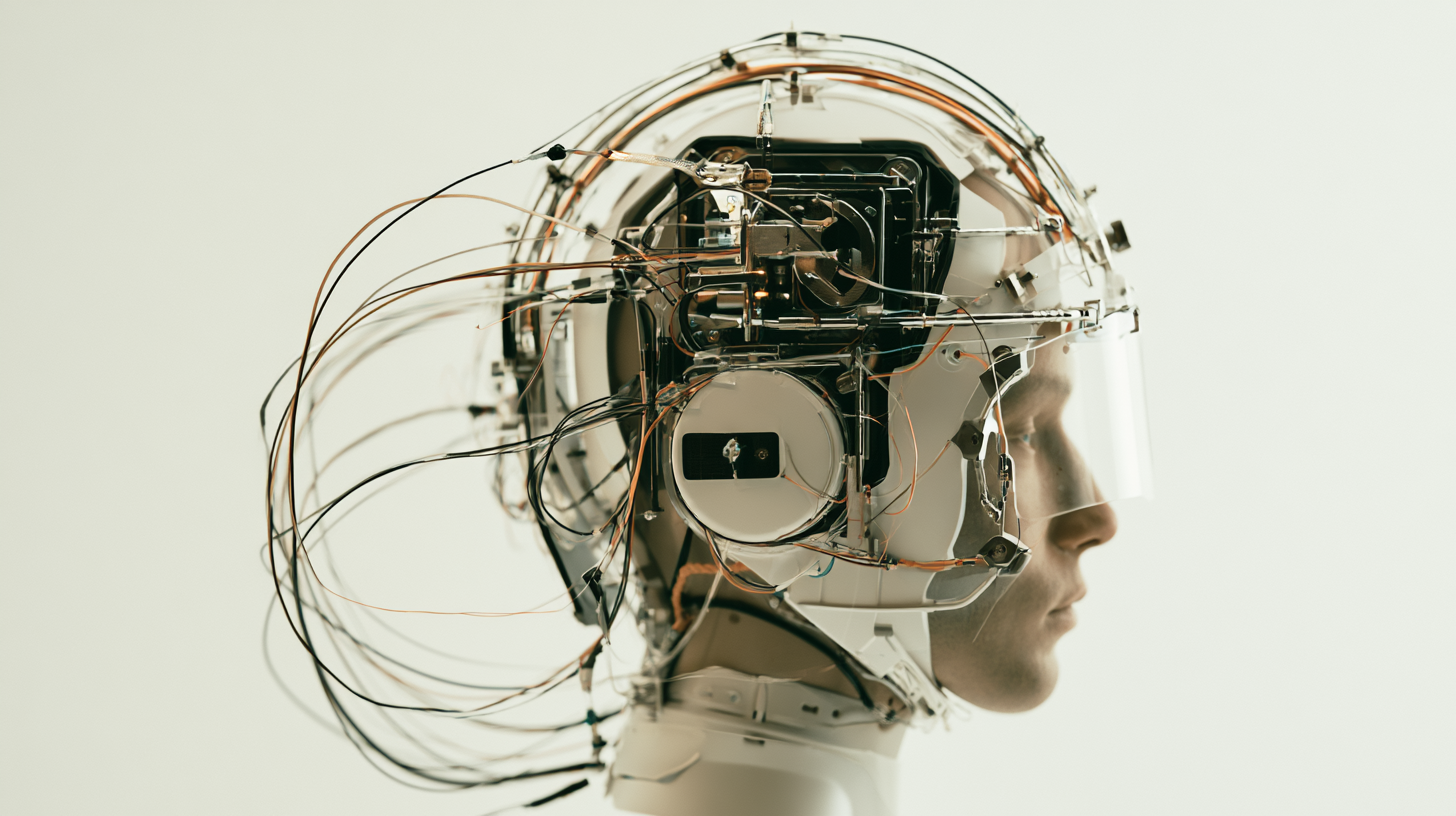
The Race to Build AI That Reads Your Mind
In 1908, a Columbia University psychiatry professor claimed to have invented a "psychometer," a device built from little more than a mirror and a lamp that he said could read a person's inner thoughts. It was theatre dressed up as science. Over a century later, a new generation of researchers is chasing the same dream with considerably more credible tools, and this time, artificial intelligence is doing the heavy lifting.
A San Francisco startup called Conduit is one of the companies leading this effort. Founded in 2024, the company is working towards what it describes as "telepathy at scale," using noninvasive methods to interpret human thought, meaning no surgically implanted chip is required. The ambition is a wearable device that allows people to direct AI assistants using thought alone, offering an alternative to the sometimes clumsy back-and-forth of typed or spoken prompts. Meta is pursuing a related goal with its Brain2Qwerty system, which translates brain scans into text and is being positioned as a way to help people with ALS and other neurodegenerative conditions communicate again.
Training an AI system to interpret thought requires enormous amounts of data, and Conduit has taken a refreshingly hands-on approach to gathering it. Volunteers visit the company's office to spend two hours in conversation with AI while wearing an electrode-studded headset, with sessions designed to capture as much natural speech and typing as possible. The company was founded by Rio Popper, an Oxford graduate who has been blind since childhood, alongside AI researcher Clem von Stengel, and has recently drawn interest from experienced AI researchers keen to work on what one recent recruit called a "human-in-the-loop" vision of the future, where technology empowers people rather than replacing them.
Of course, it is worth noting that noninvasive thought-reading technology is still in its early stages, and building a device reliable enough for everyday use will take time. Even so, the direction of travel is clear. As the tools for interpreting human intention become more sophisticated, the gap between thinking of a task and having it carried out looks set to narrow considerably, opening the door to a future where communicating with AI feels less like giving instructions and more like simply being understood.
Click here to read the full story.